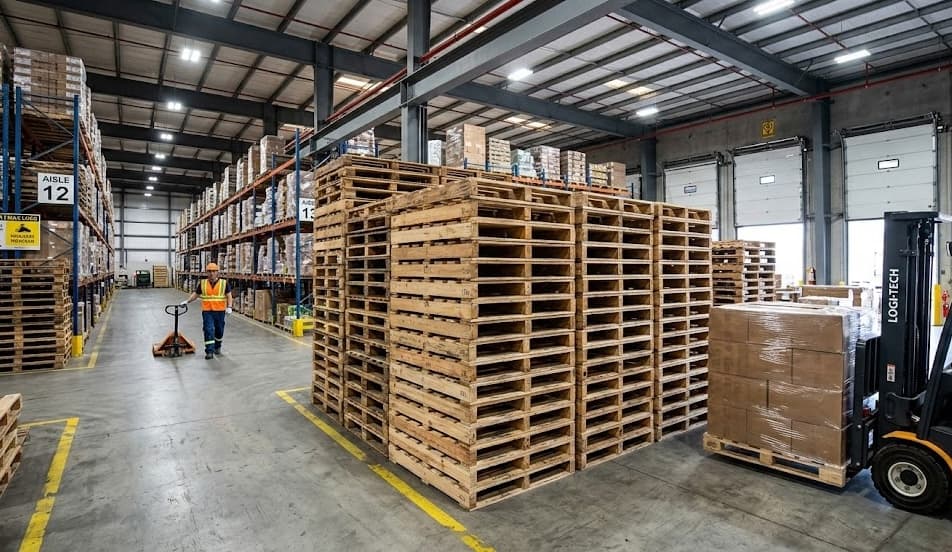
Spring brings a surge in shipping activity across multiple industries. Businesses that plan their pallet supply in advance avoid shortages, rush pricing, and fulfillment delays.
Why Spring Is Different
Pallet demand follows predictable seasonal patterns. Spring brings simultaneous surges across agriculture (planting season shipments), construction (building materials ramp-up), beverages (inventory building for summer), and retail (seasonal merchandise changeover). These overlapping demand spikes tighten supply across all pallet grades and sizes, particularly in logistics-heavy regions like Southern California.
The Supply Squeeze
Used pallet supply in spring faces a double pressure: demand increases while supply-side recovery slows. During winter, fewer goods ship, which means fewer pallets flow back into the used market. By March and April, the imbalance between rising demand and lagging supply creates longer lead times and upward price pressure. Businesses that wait until they need pallets to order them often face 5-10 day lead times instead of the normal 1-3 days.
Strategies for Spring Preparedness
The most effective strategy is advance ordering. If you know your spring volume increases by 30-50%, place your pallet orders in February or early March. Lock in pricing and delivery schedules before the rush. Build a 2-week buffer stock by mid-March so that lead time fluctuations do not disrupt your operations. For recurring seasonal needs, annual supply agreements with quarterly adjustment provisions give you the best combination of price stability and flexibility.
Grade Flexibility as a Strategy
During tight supply periods, grade flexibility gives you options. If your Grade A supplier has a 7-day lead time, consider whether Grade B would work for some applications. This is not about accepting lower quality — it is about matching the minimum adequate grade to each use case, which is a best practice regardless of season. Operations that can flex between grades have significantly more supply resilience.
Communication with Your Supplier
The single most valuable thing you can do is communicate your demand forecast to your pallet supplier. Tell us in February what your March, April, and May volumes look like. This allows us to allocate inventory, plan our own sourcing, and schedule deliveries proactively rather than reactively. Suppliers who understand your demand curve in advance can serve you dramatically better than those who get last-minute urgent orders.
Post-Spring: Preparing for the Next Cycle
After surviving the spring rush, take time to document what worked and what did not. Which applications ran short? Where did you overspend on rush orders? This post-season review is the foundation for a better plan next year. The businesses that manage pallet costs most effectively are the ones that treat pallet procurement as a planned, forecasted function rather than an ad hoc purchasing activity.
Need help with your pallet program?
We've been working with pallets for over 12 years. We'll give you honest, practical advice — not a sales pitch. Email us at info@sandiegopallet.com or use the contact form below.
Contact Us